Continuing Education for Veterinarians · Starting Autumn 2026 (Denmark) & Spring 2027 (Germany)
– Diagnostic and Therapeutic in Animals –
An evidence-based, 2-year postgraduate training programme for veterinarians. Gain a deep neuroscientific understanding of nervous system function and acquire practical tools for clinical diagnostics and rehabilitation in horses and small animals.
A limited number of places is available — reserve early to secure yours.
About the instructor
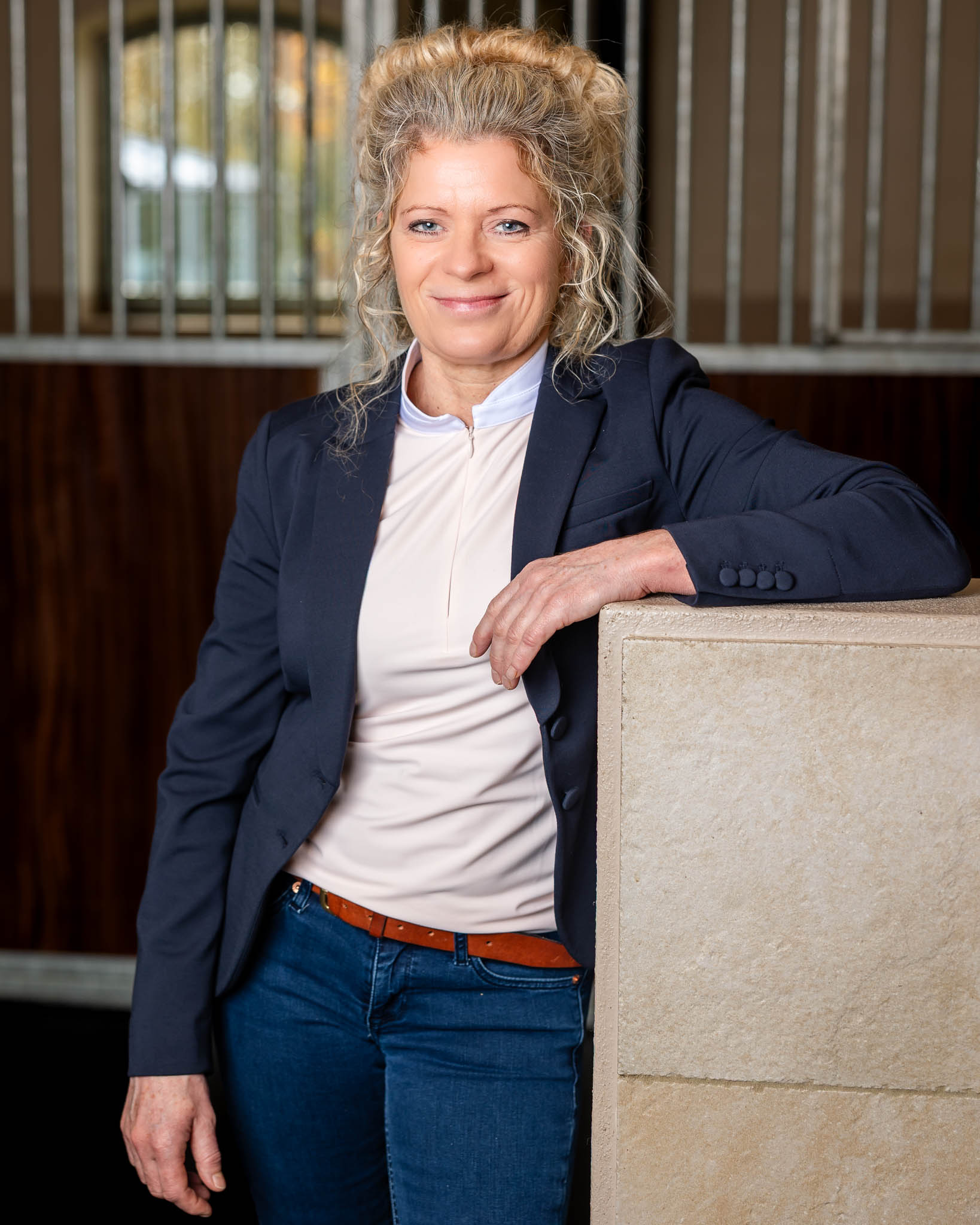
DVM · FIBFN · FACFN · IVAS & IVCA cert.
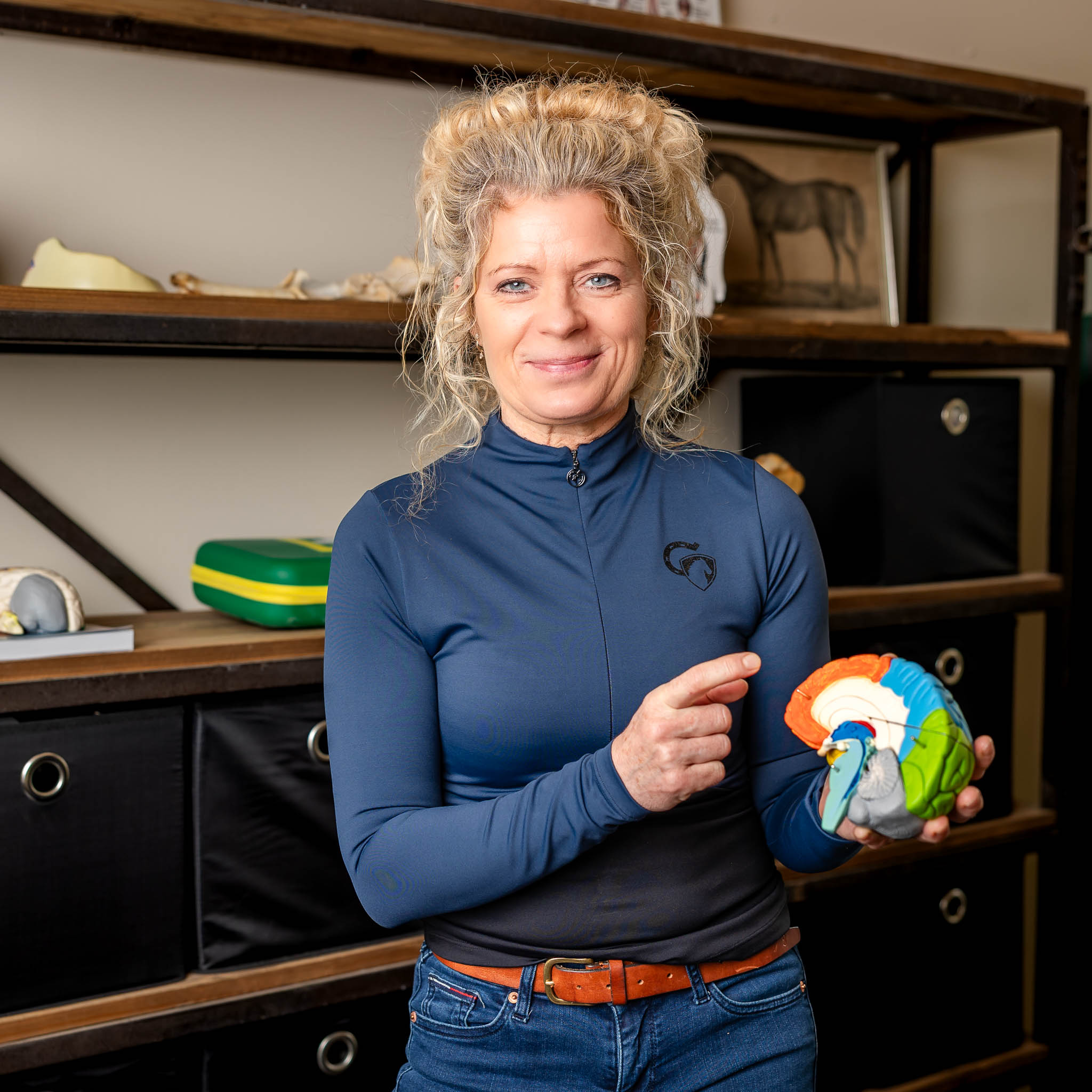
Maja’s advanced postgraduate training and Fellowship qualifications are in human functional neurology. Over more than two decades, she has translated this clinical-neuroscience framework into structured, practical veterinary protocols, applying it primarily in horses, dogs and cats. Her teaching connects relevant principles from human neurological examination and rehabilitation with the day-to-day clinical realities of veterinary practice.
“Since qualifying as a veterinarian in 1996, I have been driven by a constant search for deeper knowledge. From 2004 onwards, my focus shifted entirely to understanding how the brain communicates with the body. In 2020/2021, I passed the human Fellowship examinations of both the International Board of Functional Neurology (FIBFN) and the American Chiropractic Neurology Board (FACFN).
I created this programme so that colleagues – and through them, their patients – can benefit from the results I have seen when advanced functional neurology is integrated into daily veterinary practice.
My aim is not to replace conventional diagnostics or treatment, but to supplement the clinical approach with a more detailed assessment of nervous system function.”
— Maja Guldborg, DVM, FIBFN, FACFN
Why this programme?
Many veterinarians encounter patients where traditional examinations do not fully explain the animal’s symptoms. Functional neurological assessment and rehabilitation can provide additional clinical perspectives in these cases.
Do any of these clinical scenarios sound familiar?
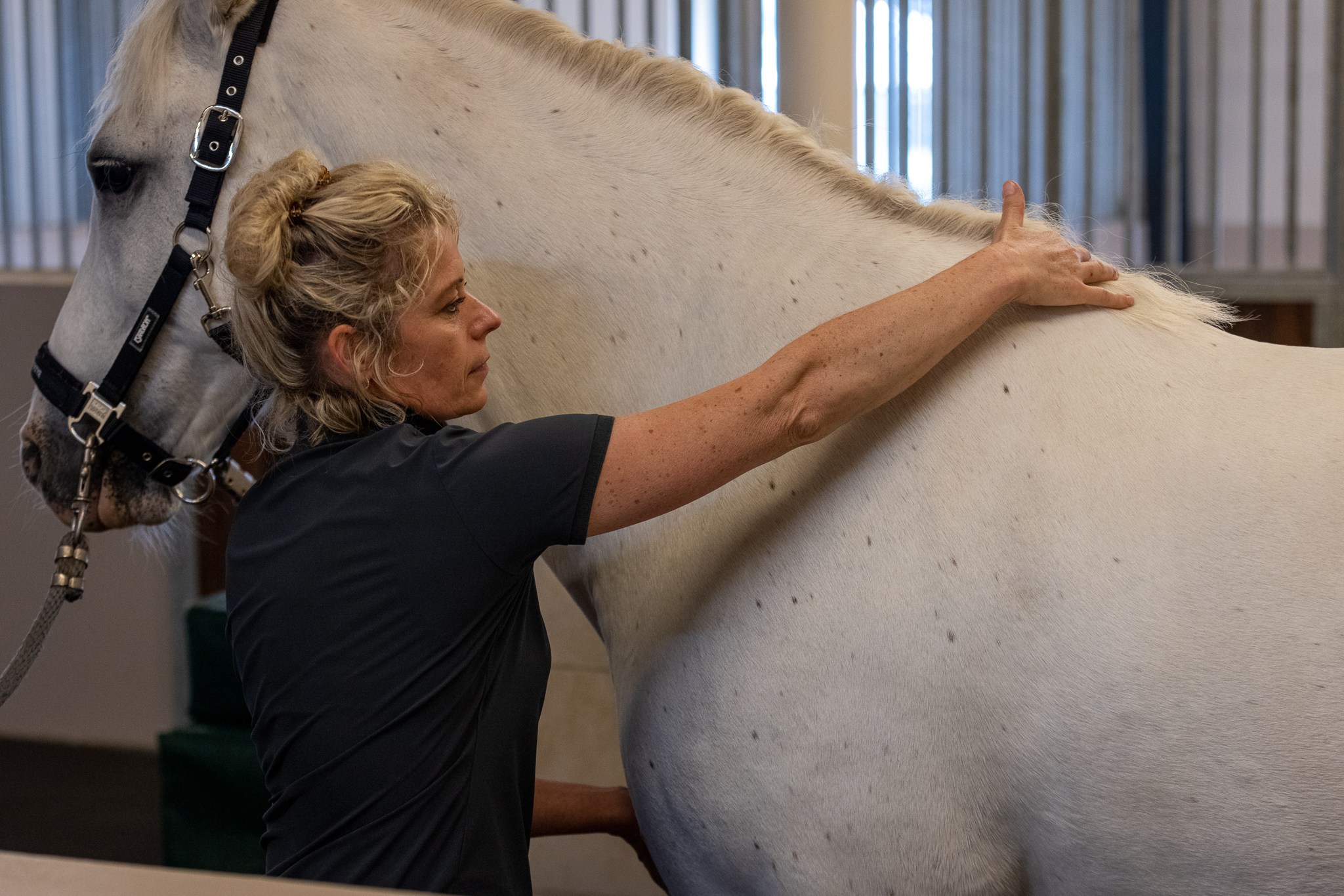
— The horse with diffuse movement irregularities or performance decline, where repeated lameness examinations and imaging reveal no structural findings.
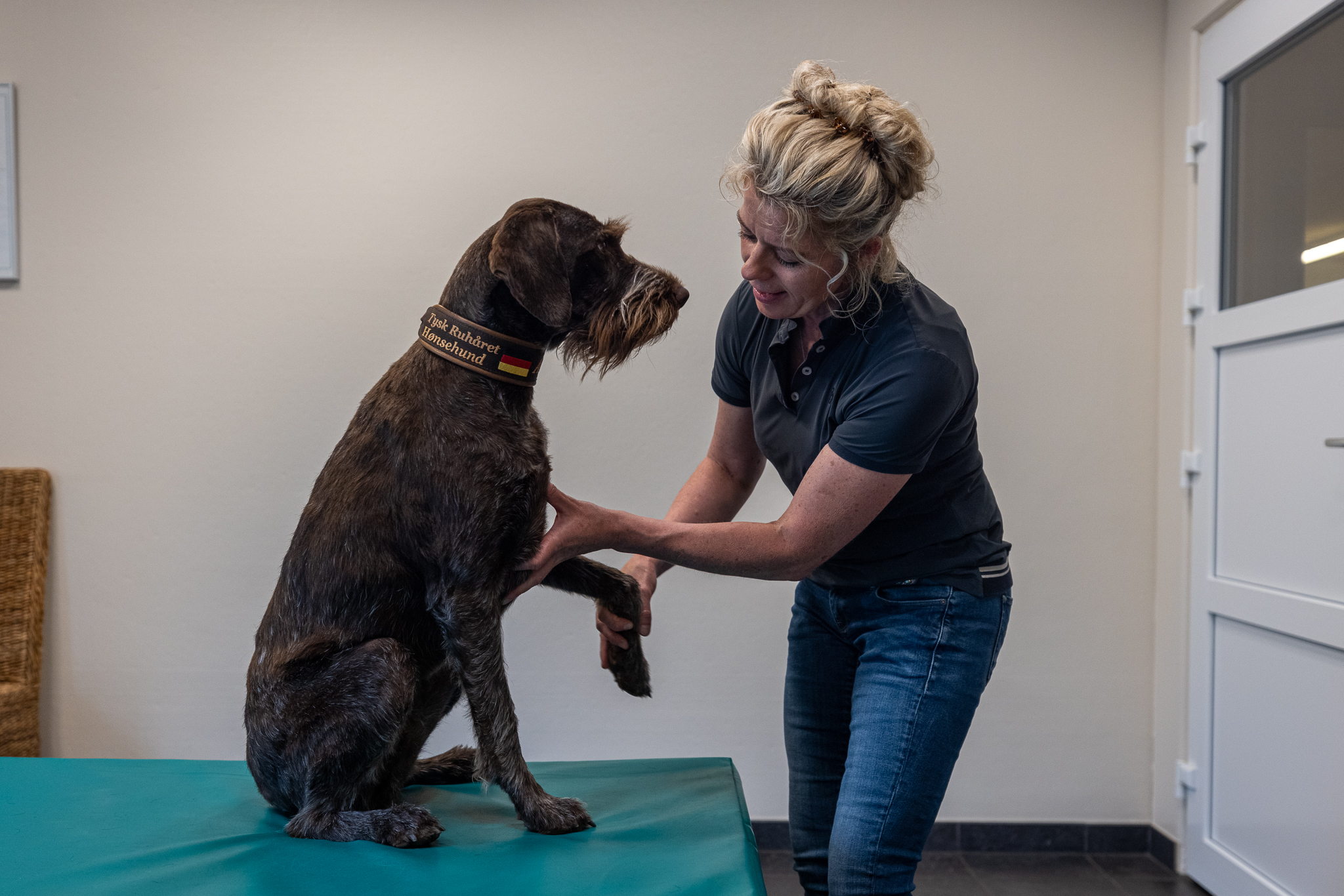
— The dog with chronic pain, reduced proprioception and looks much older, despite painkilling drugs and conventional rehabilitation.
— The patient with subtle behavioural changes, touch sensitivity, or balance disturbances that do not fit neatly into the classical neurological categories.
If any of these scenarios sound familiar, functional neurology may provide the structured framework you need for a successful diagnostic and treatment strategy.
Learn to understand the brain’s role in clinical symptoms through an interdisciplinary neuroscience approach – focused on identifying and improving neurological integrity in your patients.
Gain concrete, evidence-based ways of treating Functional neurologic decompensations. Learn how to change negative plasticity in compensatory patterns to positive by optimizing the neurologic function.
Apply functional neurology directly in your clinical practice to improve neurological health and performance. Expanding your toolbox with this knowledge benefits every patient – and brings renewed satisfaction to your daily work.
A personal introduction
This postgraduate programme is a focused investment in a more structured neurological approach to complex veterinary cases. In this short introduction, Maja explains the perspective behind the education and how it can support your everyday clinical reasoning.
Programme structure
The programme includes 12 full in-person teaching days: two consecutive days per module, combining theory, practical clinical work and case-based learning across six modules over two years. A limited number of places is available for the Denmark 2026 programme; reserve early if you would like to secure yours.
Early Bird bonus · until 25 August 2026
Reserve your place through the Early Bird offer and receive two personal 30-minute mentoring sessions with Maja, planned individually within the programme period.
Cases from practice
Functional neurology is grounded in neuroplasticity – the brain's ability to adapt and change function in response to stimuli and experience.
Case · Equine
A 14-year-old dressage mare presented with acute stringhalt following a trauma in which the horse had become cast in the stable.
Clinical findings
Functional neurological examination revealed asymmetric dysfunction in the proprioceptive system and marked unilateral hypertonicity along the right side of the thoracolumbar spine, consistent with a central motor control decompensation rather than a localized structural lesion.
Intervention
A targeted neurorehabilitation programme was implemented, utilizing specific sensory and motor stimulation to down-regulate the abnormal spinal reflex loop and restore cortical and cerebellar integration.
✓ Normalized gait within one week. Fully symptom-free following follow-up treatments and returned to normal dressage training.
Case · Small Animal
A dog was referred for recurring episodes of rhythmic head nodding. Both MRI and cerebrospinal fluid (CSF) analysis showed no significant structural findings.
Clinical findings
Functional neurological examination revealed an abnormal pupillary light reflex, suggesting autonomic dysregulation at the brainstem level, alongside subtle vestibulocerebellar asymmetry.
Intervention
A customized neurological rehabilitation programme was designed, utilizing frontal lobe, vestibular, and proprioceptive stimulation protocols to restore physiological integrity within the affected brainstem networks.
✓ According to the owner, the head-nodding episodes ceased completely following a short series of targeted treatments within the rehabilitation programme.
What others say
"She sees what others don't"
She is simply the best! I have used her for both horse and dog. She sees what others don't.
— Tina Askebjerg Madsen"Thorough, skilled and competent"
Maja is thorough, skilled and very competent. It is great to see progress.
— Gitte Muse"Highly competent and well-founded"
Highly competent and theoretically very well-founded. Friendly and approachable with great passion for her field.
— Flemming Bligaard PedersenReady to join the Denmark 2026 programme?
A limited number of places is available. Reserve your place now and choose either full payment or four instalments, with payment securely processed by Stripe.
You will be asked to accept the Terms and Conditions at checkout.
Would you like to clarify something before booking? Reach out to Maja at mail@majaguldborg.dk or +45 2031 0238.
Not ready to join? Sign up to the general interest list to stay informed about future dates and announcements.
Questions before you reserve your place? Explore the FAQ on payment, cancellation, accommodation and programme details.
View FAQ ↓Be the first to know
Join the general interest list for first access to news about upcoming Functional Neurology programmes, future dates and Early Bird benefits.
Registration of interest is 100% non-binding and is separate from reserving a place on the Denmark 2026 programme. You can unsubscribe at any time.
The form is managed by Lumant, the online learning platform. After submitting, you will be taken to a confirmation page. Prefer to open the form separately? Open the interest-list page.
Questions? Contact Maja at mail@majaguldborg.dk or +45 2031 0238
Questions & Answers
The programme is aimed at veterinarians who primarily work with horses and/or dogs and wish to supplement their clinical approach with functional neurological diagnostics and rehabilitation. Experience in chiropractic or acupuncture is an advantage but not a requirement.
The Denmark 2026 programme starts 30–31 October 2026 at Riders Cup, Tybjergvej 14, 4160 Herlufmagle. The Germany 2027 programme begins with Module 1 on 2–3 April 2027.
The programme is a 2-year, six-module course combining theoretical teaching with clinical practice and case work. Denmark 2026 dates are: Module 1, 30–31 October 2026; Module 2, 5–6 February 2027; Module 3, 28–29 May 2027; and Module 4, 10–11 September 2027. Germany 2027 dates are: Module 1, 2–3 April; Module 2, 11–12 June; and Module 3, 1–2 October 2027. Remaining 2028 dates will be announced later.
The programme is offered at two payment options (excl. VAT, travel and accommodation):
Option A — Full payment: 11,000 EUR
Paid in full at registration. Registration is binding four weeks before the start of the first module.
Option B — Instalment plan: 4 × 3,000 EUR (12,000 EUR total)
Four equal instalments of 3,000 EUR, due every four months. The first instalment is due at registration. Registration is binding four weeks before the start of the first module.
Please note that payment is per programme — not per individual module. Travel and accommodation costs are not included.
A limited number of places is available. Early Bird registrants receive an exclusive bonus — see below. Reserve your place early if you would like to join the Denmark 2026 programme.
Participants who register through the Early Bird offer before 25 August 2026 receive two personal one-to-one mentoring sessions with Maja Guldborg as an exclusive bonus. Each session is 30 minutes, planned individually by mutual agreement, and held within the duration of the 2-year programme.
At registration, the full programme fee or the first instalment is due, depending on the payment option selected. Cancellation with a full refund is available up to and including four weeks before the first module begins. From that point, registration becomes binding.
Four weeks or more before first module start: Full refund.
Less than four weeks before first module start: No refund. However, your place may be transferred to a colleague at no additional cost.
Force majeure / illness: In the event of documented severe illness, either a full refund or transfer to the next available programme will be offered.
The full terms governing cancellation and payment are available in the Terms and Conditions.
There are trains from Copenhagen and Copenhagen Airport to Ringsted Station, with a travel time of approximately 55 minutes. Pick-up from Ringsted Station and a daily shuttle to and from your chosen accommodation can be arranged with Maja by prior agreement.
Please note that transport and accommodation are not included in the programme fee and must be booked separately. The following accommodation options are suggested for the Denmark 2026 programme:
Sørup Herregaard
Scandic Ringsted
Korshøjgaard Bed & Breakfast
The current Terms and Conditions for the programme are available through Lumant, the online learning platform. They are also presented for acceptance at checkout and included with the purchase confirmation.
The programme is rooted in applied clinical neuroscience and established principles of neuroplasticity — the nervous system’s capacity to adapt in response to targeted stimulation. It also draws on Maja’s advanced training in human functional neurology, which she has progressively adapted through veterinary practice, primarily in horses, dogs and cats.
The focus is on structured neurological examination, clinical reasoning and rehabilitation principles that can add useful perspectives to complex cases. Functional Neurology is not presented as a replacement for conventional veterinary diagnostics or treatment; it is an evidence-informed complement to your existing clinical framework.
The programme is designed to foster an international clinical community across disciplines such as orthopaedics, internal medicine, rehabilitation, behaviour and sports medicine. Alongside the modules, live online case discussions support questions, reflection and the exchange of clinical experience through a shared neurological language.
Yes. Participants who complete all six modules within the 24-month programme period and pass the final examination with a minimum score of 75% will receive a graduation certificate.
The principal teaching language is English. International participants are welcome. Please contact us to discuss any language challenges: mail@majaguldborg.dk
A limited number of places is available for the Denmark 2026 programme. Reserve now to secure yours, or join the general interest list for news about future programmes.
First module: 30–31 October 2026 at Riders Cup, Herlufmagle, Denmark.
Tuition: 11,000 EUR (full payment) — or 4 × 3,000 EUR instalment plan (12,000 EUR total). Excl. VAT, travel and accommodation.
Reserve your place ›Payments are securely processed by Stripe · Join the general interest list